Revitalizing Soils: Mycoremediation on Post-Katrina Soils in New Orleans
The aftermath of Hurricane Katrina left New Orleans with many challenges, including widespread soil contamination. One of the most pressing issues has been the presence of lead in the soil, a dangerous pollutant that poses serious health risks, especially to children. Addressing this problem requires innovative, sustainable solutions that work with nature rather than against it. Mycoremediation, a form of bioremediation using fungi, offers a promising path forward. This post explores how mycoremediation is helping to restore New Orleans’ soils, highlights the role of the Groundwork Collective in this effort, and invites community members to get involved in healing their environment.
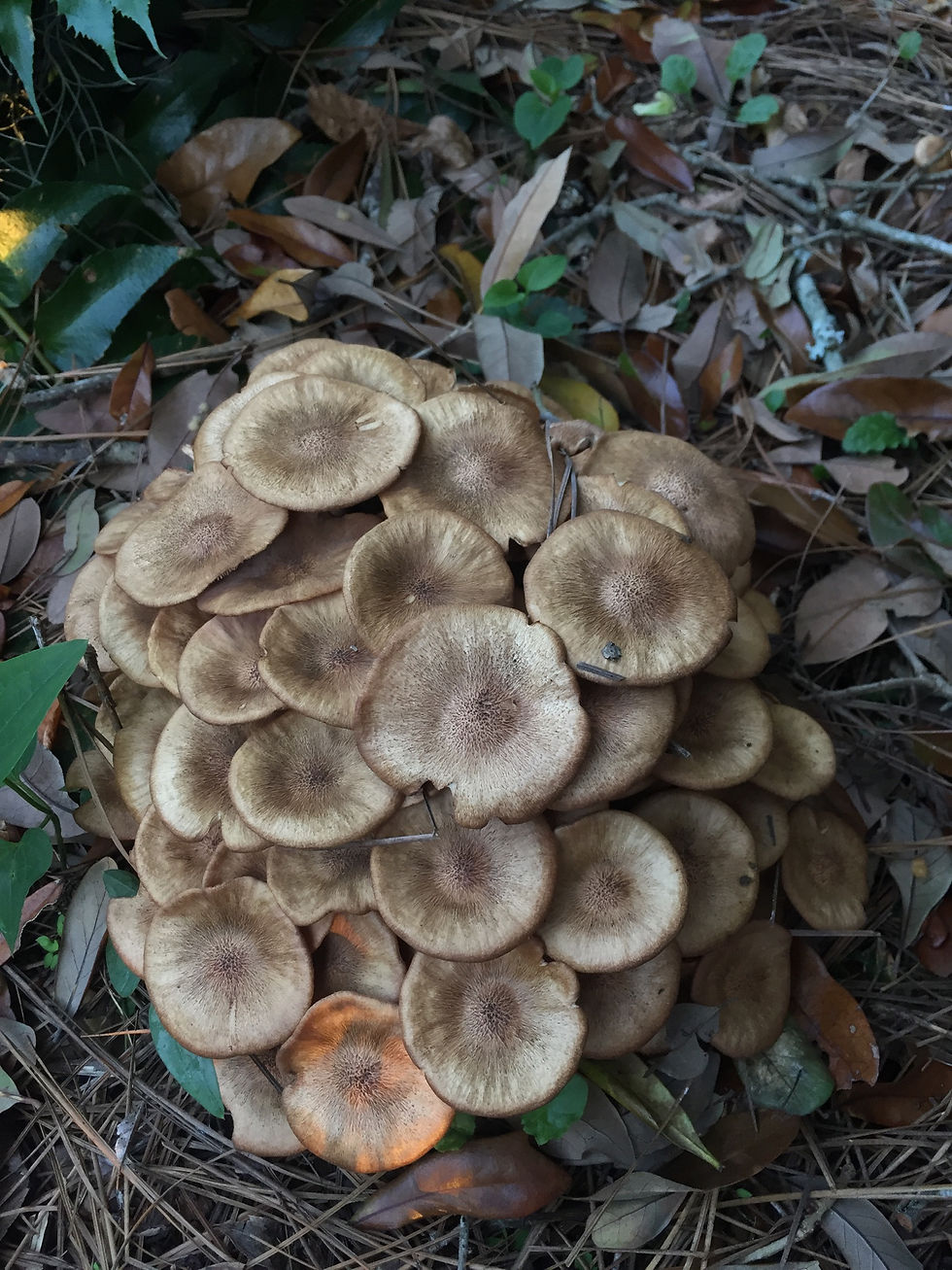
Understanding the Soil Contamination Problem in New Orleans
After Katrina, floodwaters deposited toxic materials, including lead from old paint and industrial sources, into residential soils. Lead contamination is a persistent problem because it does not break down naturally and can enter the human body through dust or soil contact. Children playing outside or gardening are especially vulnerable to lead poisoning, which can cause developmental delays and other serious health issues.
Traditional cleanup methods like soil removal or chemical treatments are expensive and disruptive. They often require heavy machinery and can damage the local ecosystem. This is where in situ bioremediation, treating the soil right where it is, becomes a valuable alternative.
What Is Mycoremediation and How Does It Work?
Mycoremediation uses fungi to break down or immobilize contaminants in soil. Fungi have unique enzymes that can degrade toxic substances or bind heavy metals, reducing their availability and harm. This process is natural, cost-effective, and environmentally friendly.
In New Orleans, scientists and community groups are partnering with plants, fungi, and microbes to clean lead-contaminated soils without removing them. The fungi work alongside plant roots and beneficial bacteria to create a healthier soil ecosystem. This collaboration improves soil quality, supports plant growth, and reduces lead uptake by plants and humans.
Groundwork Collective’s Role in Soil Restoration
The Groundwork Collective is a community-based organization dedicated to environmental justice and sustainable urban renewal in New Orleans. They have been instrumental in promoting mycoremediation projects that combine science with local knowledge.
By working directly with residents near Gordon Plaza, a historically heavily contaminated neighborhood, Groundwork Collective helps identify contaminated sites and implements myco and photo remediation strategies tailored to each location. Their approach includes:
Educating community members about soil health and contamination risks
Training volunteers to cultivate and apply fungi and plants to affected soils
Monitoring soil quality improvements over time
Partnering with local universities and researchers to refine techniques
This hands-on involvement empowers neighborhoods to take control of their environment and health.
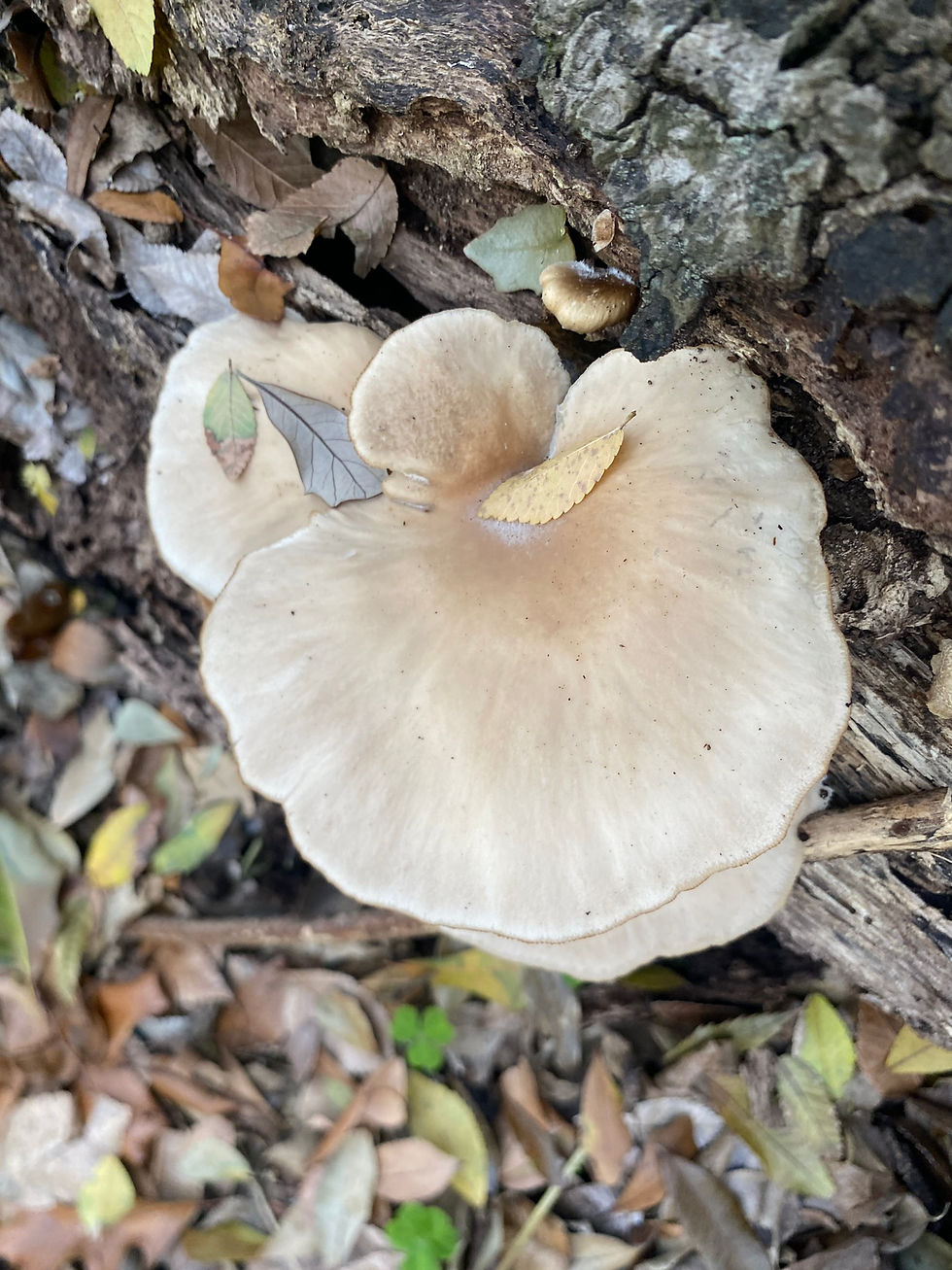
How You Can Get Involved
Mycoremediation projects thrive on community participation. Here are some ways to contribute:
Volunteer for local soil testing and remediation events. Groundwork Collective often hosts workshops where you can learn to identify contaminated soil and apply fungal treatments.
Start a mycoremediation garden. Even small plots can benefit from fungi that reduce lead levels. Growing native plants alongside fungi supports soil health.
Spread awareness. Share information about the dangers of lead contamination and the benefits of bioremediation with neighbors and local groups.
Support research and funding. Donations or advocacy for funding can help expand these projects and reach more neighborhoods.
Getting involved not only helps clean the soil but also builds stronger, healthier communities.
Moving Forward Together
The challenge of lead-contaminated soils in New Orleans is complex, but mycoremediation offers a hopeful, practical solution. By partnering with fungi, plants, and microbes, communities can restore soil health and protect public health without costly or harmful interventions.
The Groundwork Collective’s work shows how science and community action can join forces to heal the land. If you live in or near New Orleans, consider joining this effort. Your participation can help transform contaminated spaces into safe, vibrant places for families and future generations.


Comments